
Kuro Roi
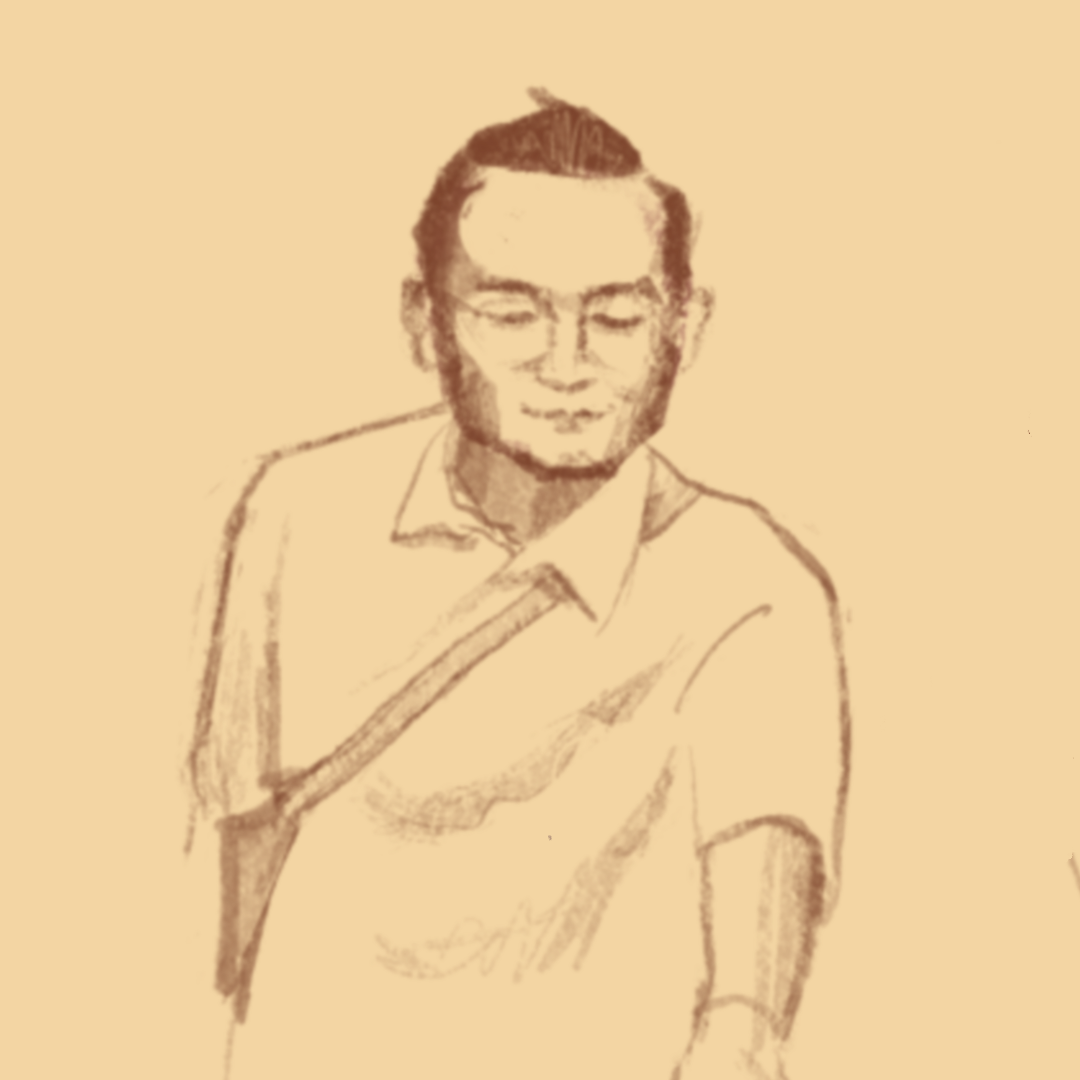
作品名|Fluid Figures
This body of work centers on the idea that queerness is not a Western import, but a living, sacred presence deeply rooted in Southeast Asia’s spiritual, cultural, and social histories. Long before colonial frameworks imposed rigid categories of gender and sexuality, identities across the region were understood as fluid, relational, and shaped by communal roles and cosmologies. Through research and cultural references spanning the Philippines’ bakla, the Iban Basir and Manang Bali of Borneo, Vietnam’s Lên đồng mediums, Cambodia’s Pia Saa Sor, Myanmar’s Nat Kadaw, Indonesia’s bissu, and the gendered performances within Mak Yong, this work highlights how diverse gender expressions were once integrated into sacred and social life.
Colonialism, religious institutionalization, and modern state governance reframed these identities through narrower, moralized lenses, pushing many into invisibility or stigma. Traditions such as Mak Yong and cross-gender performance practices across the region illustrate how gender fluidity was historically embodied within art and ritual, yet today struggle under conservative and political pressures. The erosion of these practices is not only a cultural loss but also a loss of queer lineage and memory.
Conceptually, the work positions these historical figures; Shamans, Performers, & Mediums as guiding constellations. Like stars in uncertain waters, they illuminate pathways of resilience for contemporary queer Southeast Asians navigating stigma and erasure. By revisiting and reclaiming these indigenous roles, the work challenges colonial narratives that frame queerness as foreign or deviant. Instead, it asserts queerness as sacred, ancestral, and intrinsic to the region’s heritage.
At its heart, the theme is cultural reclamation and protection. If these living traditions are not safeguarded, future generations risk losing both heritage and the language of belonging. The work calls for remembrance, preservation, and collective responsibility that queer identities have always existed at the intersection of the sacred and the social, woven into Southeast Asia’s past, present, and future.
SNS SHARE
